
Valley of Flowers
The Himalaya’s Most Colorful Trekking Experience
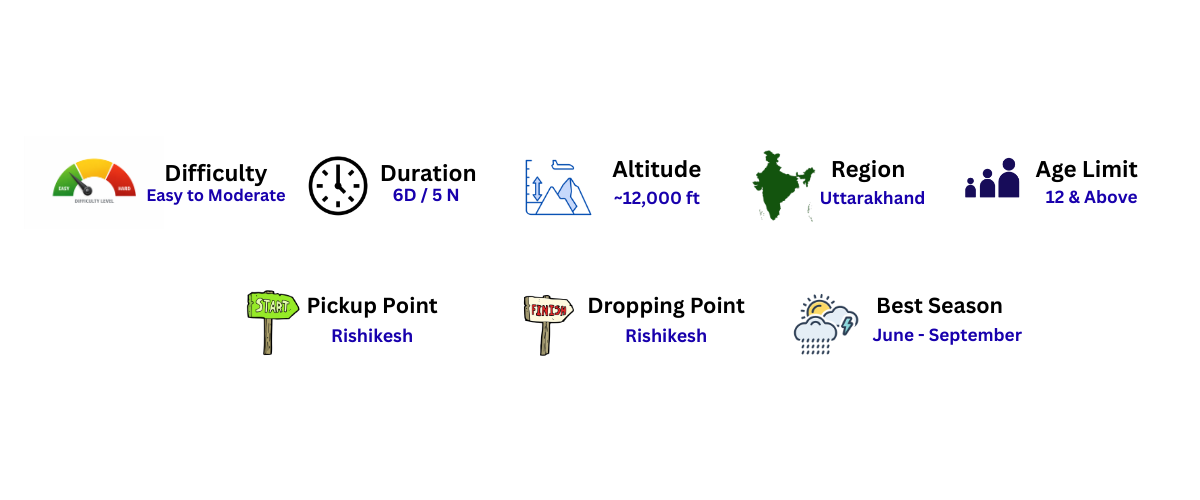
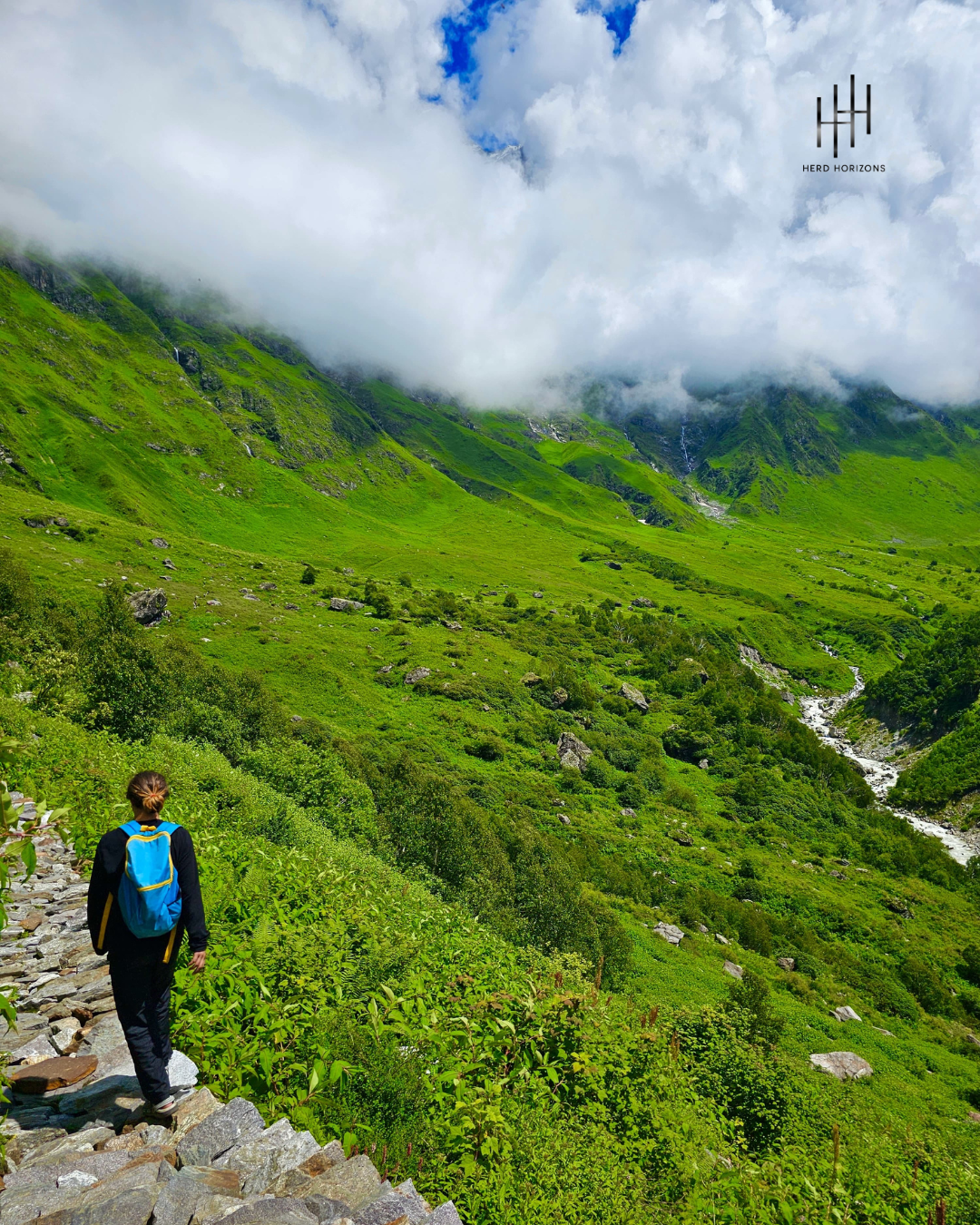
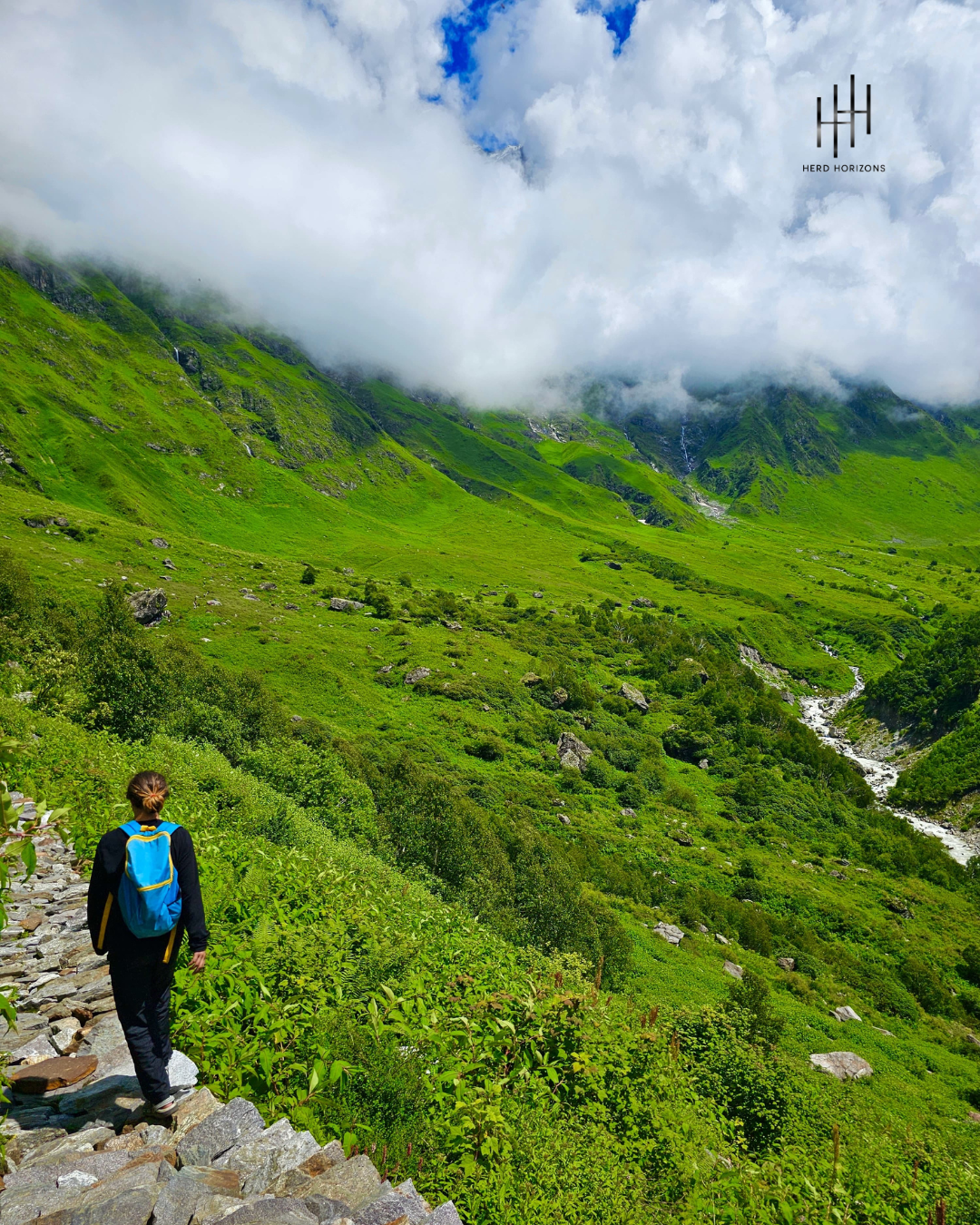
Located in the Garhwal Himalayas of Uttarakhand the Valley of Flowers National Park is famous for its stunning seasonal bloom of alpine flowers and its relatively easy to moderate trekking route. Lots of hikers are looking for a Himalayan trail that gives you natural beauty without having to tackle anything that’s going to send your heart rate through the roof. The Valley of Flowers trek is the answer to that with a well trodden path that takes you through forest, over rivers, and through open meadows.
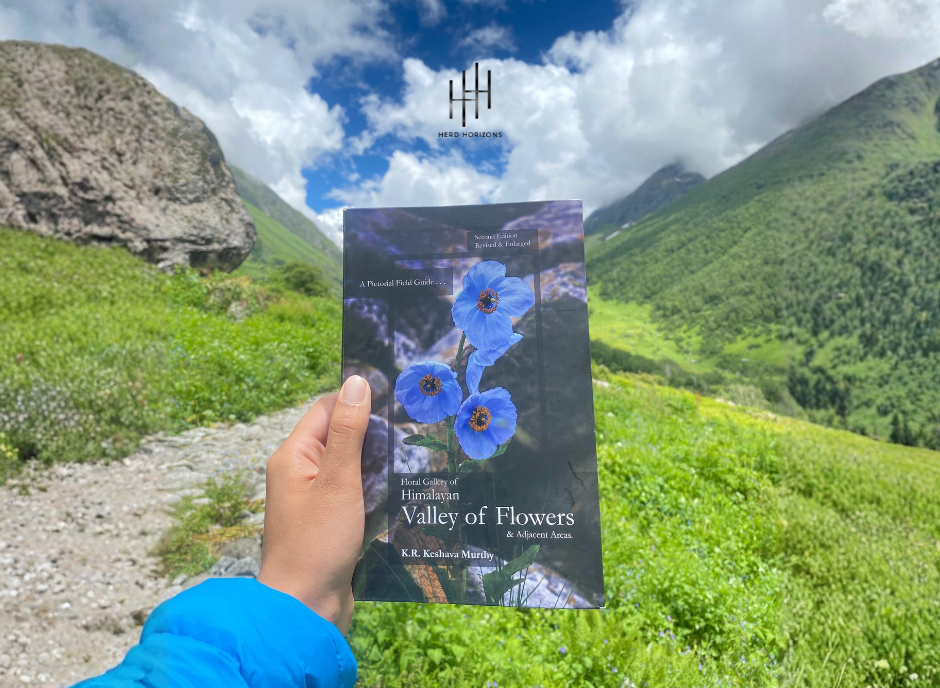
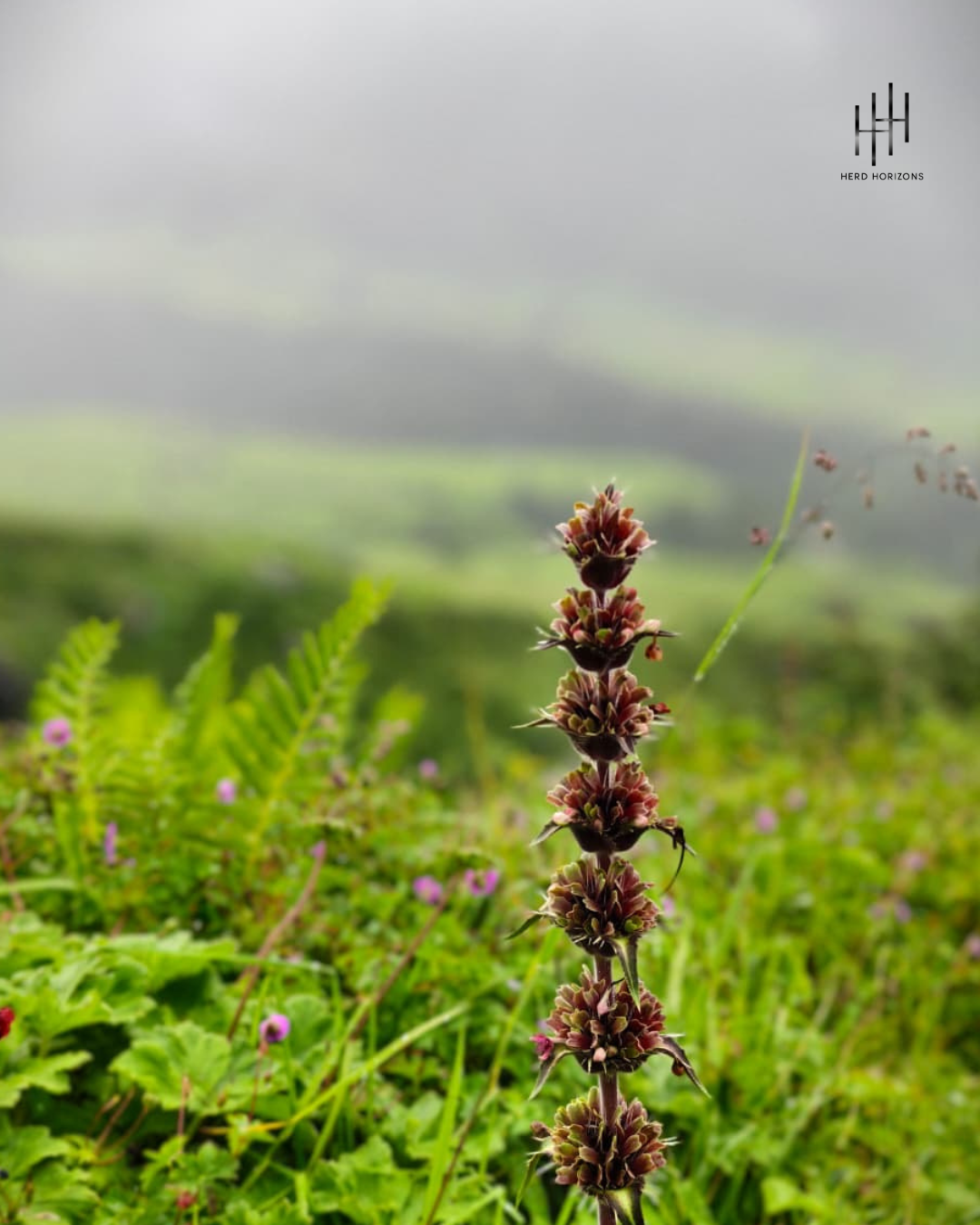
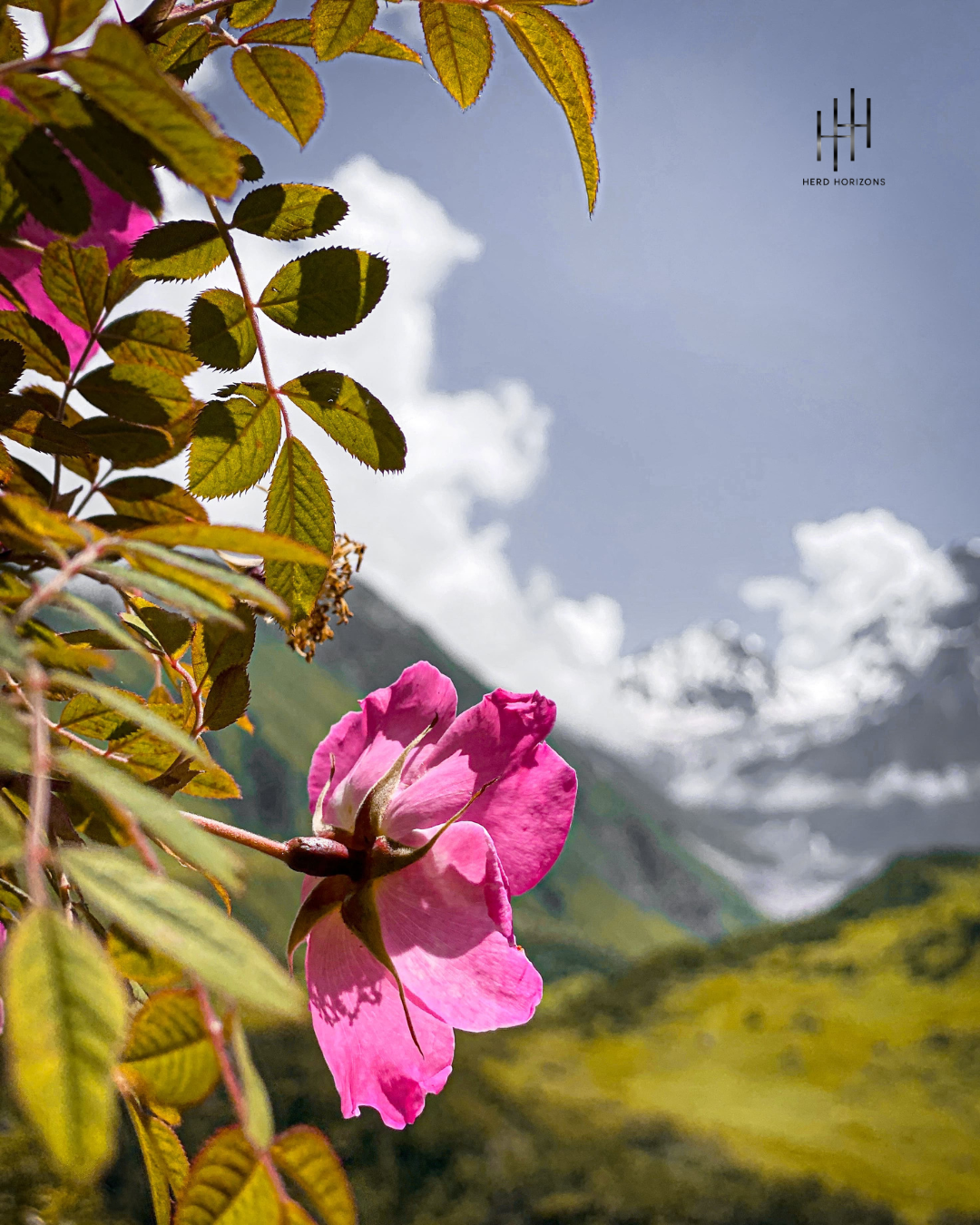
During the monsoon season, which runs from about July to September – the valley is carpeted with an astonishing array of plant species – blue poppies, cobra lilies, and primulas to name a few. The trek usually kicks off at Govindghat and ends at Ghangaria, which is also the base village for people headed to the Hemkund Sahib.
Available Dates
Valley of Flowers Booking
Rs. 9,499/-
Per Person
or Have questions about the Trek?
Chat with our Team for batch dates, itinerary, pricing, and quick booking support.
Chat with UsQuick Overview:
The Valley of Flowers Trek is one of the Himalayan treks for those who want to experience high-altitude landscapes without technical climbing. It goes through the Alaknanda valley. Then up to Ghangaria, a small village that is the base of the Valley of Flowers trek.
Most of the trek is on a path that goes through forests, across rivers and over open mountain meadows.
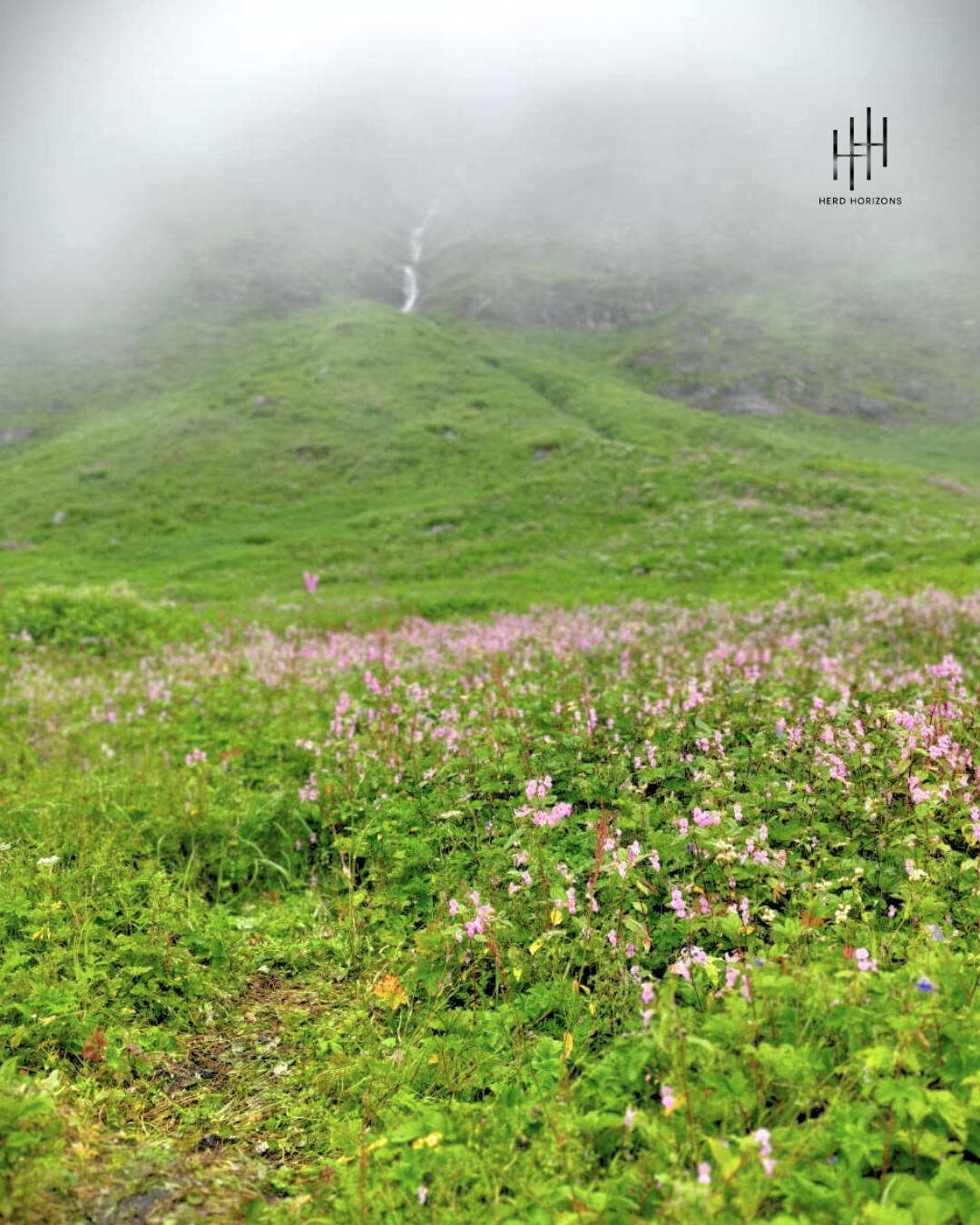
In the monsoon season the valley part of the trail becomes grasslands with hundreds of alpine flowers blooming on the slopes. The trek is good for beginners because the height gain is steady and the daily distances are not too long. Because the altitude gain is steady and daily distances are manageable, the trek is often chosen by beginners who want their first multi-day Himalayan trek while still experiencing high mountain terrain.
Trek Facts
- Duration: 6 Days / 5 Nights
- Total Trek Distance: ~38 km
- Maximum Altitude: ~14,100 ft (visit to Hemkund Sahib)
- Valley Altitude: ~12,000 ft
- Difficulty: Easy to Moderate
- Region: Garhwal Himalayas, Uttarakhand
- Base Village: Ghangaria
- Best Season: June – September
Quick Highlights
- Beginner Friendly Route:
A gradual ascent and clear trail make this trek suitable for beginners with basic fitness. Daily walking distances remain manageable, allowing time to adjust to altitude. - Seasonal Flower Meadows:
During the monsoon months, the trail opens into wide alpine meadows inside Valley of Flowers National Park, where hundreds of Himalayan plant species bloom across the valley floor. - High Altitude Visit to Hemkund Sahib:
A separate day hike leads to Hemkund Sahib, a well-known pilgrim place for Sikhs, at about 14,100 ft, adding a high-altitude experience to the trek. - Defined Mountain Trail:
The route from Govindghat to Ghangaria follows a well-established path through forests, river crossings, and mountain valleys. - Balanced Trek Distance:
Around 38 km of trekking spread across several days allows a steady pace and gradual altitude gain. - Base Stay at Ghangaria:
Ghangaria acts as the main base for the trek, providing access to both the Valley of Flowers trail and the Hemkund Sahib route.
Valley of Flowers Trek - 6 Days Itinerary
The Valley of Flowers takes you from Govindghat to Ghangaria and into the vibrant alpine meadows of the valley. Along the trail, you’ll pass through forests, rivers, and streams, with stunning views of snow-capped peaks. The trek also includes a visit to Hemkund Sahib, a high-altitude glacial lake and gurudwara, offering a mix of natural beauty, spirituality, and memorable mountain experiences.
Day 1: Drive from Rishikesh to Govindghat
Your journey begins with a long but beautiful drive from Rishikesh to Govindghat, covering approximately 270 km in 10–11 hours. The route winds through the lush hills of Uttarakhand, offering stunning views of the Ganga River, dense forests, terraced farms, and snow capped Himalayan peaks. As you pass through mountain villages and towns like Devprayag, Rudraprayag, and Joshimath, you’ll get a glimpse of local Garhwali life and culture.
As the altitude increases, you’ll feel a noticeable drop in temperature and an improvement in air quality. Upon reaching Govindghat, located at the confluence of the Alaknanda and Lakshman Ganga rivers, check into your guesthouse or hotel. The small settlement is a key base for both the Valley of Flowers and Hemkund Sahib treks.
Spend the evening relaxing and acclimatizing to the altitude. You can explore the surrounding area, take a short walk along the river, or visit a nearby temple. Enjoy a peaceful sunset over the mountains with a hot cup of tea or coffee. Rest early, as the trek officially begins the next day.
⭐️ Tip: Try to carry light snacks and water for the drive. Keep your trekking shoes ready and layers of warm clothing easily accessible, as the temperature drops in the evening.
Altitude: 6,500 ft
Distance: ~250 km drive
Duration: 8-9 hours
Highlights:
✔ Scenic Himalayan drive along Alaknanda river
✔ Mountain towns and valley views
✔ Overnight stay at Govindghat
Day 2: Trek from Govindghat to Ghangaria via Pulna
Your trek begins as you leave Govindghat and head toward Ghangaria, the base for the Valley of Flowers and Hemkund Sahib. The 10 km trail passes through Pulna, a small village about 4 km from Govindghat, then follows the Pushpawati River through lush forests. The trek takes around 5-7 hours and is easy to moderate, perfect for beginners.
Along the way, you’ll cross wooden bridges, small waterfalls, and walk under dense trees while enjoying the sounds of streams and birds. At Pulna, take a short break and soak in the village’s peaceful charm. From Pulna to Ghangaria (3,100 m / 10,200 ft), the trail gradually ascends and hints of wildflowers start appearing.
In Ghangaria, check into your guesthouse, relax, or stroll around the village while enjoying the cool mountain air.
⭐️ Tip: Carry water and light snacks, and take short breaks to adjust to the altitude.
Altitude: 3,100 m / 10,200 ft
Distance: 10 km
Duration: 5-7 hours
Highlights:
✔ Forest trail along Pushpawati River
✔ Wooden bridges and waterfalls
✔ Stop at Pulna village
✔ First glimpses of wildflowers
✔ Relaxing evening at Ghangaria
Day 3: Trek to Valley of Flowers and Return to Ghangaria
Day 3 is the highlight of your journey – the trek to the Valley of Flowers, a UNESCO World Heritage Site. After breakfast in Ghangaria, set off on the 4 km trail along the Pushpawati River, passing through dense forests. Some sections are steep but manageable, and the natural surroundings make the climb enjoyable.
At the park entrance, meadows open up with wildflowers in every color. You’ll see rare Himalayan species like the blue poppy, cobra lily, and Himalayan bellflower, along with waterfalls, misty peaks, and singing birds. Take your time wandering through the valley, pausing for photos or lunch by a stream.
In the afternoon, return to Ghangaria, enjoying the valley views and evening light on the mountains. Back at your lodge, relax and reflect on a day filled with vibrant scenery and Himalayan magic.
Tip: Carry water, sun protection, and a light jacket as weather can change quickly in the valley.
Altitude: 3,658 m / 12,000 ft
Distance: 8 km round trip
Duration: 4-5 hours
Highlights:
✔ UNESCO World Heritage Valley
✔ Meadows full of wildflowers
✔ Rare Himalayan flora and birds
✔ Streams, waterfalls, and mountain views
✔ Relaxing afternoon in Ghangaria
Altitude: 12,000 ft (Valley of Flowers)
Distance: ~6–8 km round trip
Duration: 4–5 hours
Highlights:
✔ Wide alpine meadows filled with seasonal flowers
✔ Gentle trekking trail suitable for beginners
✔ Stunning Himalayan peak views
✔ Return to Ghangaria base
Day 4: Trek to Hemkund Sahib and Return to Ghangaria
Today, you trek to Hemkund Sahib, a sacred Sikh pilgrimage site perched at 4,100 m / 13,650 ft. The 6 km trail one way is steep and physically demanding, but the combination of spiritual energy and mountain scenery makes it worth every step.
The ascent starts through green forests, flowing streams, and scenic mountain views. As you climb higher, the trail becomes rocky, with switchbacks leading through vibrant alpine meadows filled with blue poppies, primroses, and orchids. You’ll pass small tea stalls and fellow pilgrims, which adds a sense of community along the route.
At the top, Hemkund Lake reflects the surrounding snow-covered peaks, and the Gurudwara provides a peaceful place for reflection. After soaking in the views and spiritual atmosphere, you descend the same trail back to Ghangaria. Though the descent can be tough on your knees, waterfalls, streams, and flowers make the return enjoyable.
Tip: Use trekking poles for support, carry warm clothing, and take breaks often to manage the altitude.
Altitude: 4,100 m / 13,650 ft
Distance: 12 km round trip
Duration: 6–7 hours
Highlights:
✔ Sacred Hemkund Sahib Gurudwara and lake
✔ Alpine meadows with Himalayan flowers
✔ Steep mountain trails with switchbacks
✔ Scenic streams, waterfalls, and peaks
✔ Spiritual and uplifting trekking experience
Day 5:Trek from Ghangaria to Govindghat
Today, you descend from Ghangaria back to Govindghat. The trail follows the same river valley and forest path used earlier in the trek. The descent is gradual, making it easier on your legs. Reach Govindghat by afternoon and rest at the guesthouse.
Altitude: 6,500 ft (Govindghat)
Distance: ~13 km trek
Duration: 5–6 hours
Highlights:
✔ Gentle descent through forests and river valley
✔ Scenic last views of the Himalayas
✔ Relax at Govindghat guesthouse
Day 6: Drive from Govindghat to Rishikesh
On Day 6, you say goodbye to the mountains as you drive from Govindghat back to Rishikesh. The journey of around 250 km in 8–9 hours takes you along winding roads, through charming villages, terraced hillsides, and past distant snow-capped peaks — one last chance to soak in Uttarakhand’s beauty.
As you travel, you’ll reflect on your trek: the vibrant Valley of Flowers, glacial streams, sacred Hemkund Sahib, and peaceful mountain trails. The memories of nature’s grandeur, personal achievement, and moments shared with fellow trekkers stay with you long after the trek ends.
Arriving in Rishikesh, a sense of accomplishment and gratitude sets in. This journey has reconnected you with the mountains, leaving you with stories, experiences, and Himalayan memories to cherish.
Tip: Carry snacks and water for the drive, and take short breaks to stretch your legs along scenic spots.
Altitude: 1,500 ft (Rishikesh)
Distance: ~250 km drive
Duration: 8–9 hours
Highlights:
✔ Scenic drive along Alaknanda valley
✔ Last views of Himalayan peaks and villages
✔ Reflect on your trek and mountain experience
✔ End of the Valley of Flowers adventure
How to reach Rishikesh?
🛫 By Air:
The nearest airport is Jolly Grant Airport in Dehradun, about 21 km from Rishikesh. From the airport, you can take a taxi or pre-arranged cab to Rishikesh. Flights connect Rishikesh to major Indian cities like Delhi, Mumbai, and Bangalore.
🚉 By Train:
Rishikesh has its own railway station, well connected to cities such as Delhi, Haridwar, and Dehradun. For long-distance travelers, reaching Haridwar Railway Station and taking a short taxi or bus ride (approx. 25 Km) to Rishikesh is also convenient.
🛣️ By Road:
Rishikesh is well-connected by road to major North Indian cities. You can drive or take buses from Delhi (approx. 240 km, 6–7 hours) or Dehradun (approx. 45 km, 1.5 hours). Private taxis, shared cabs, and state-run buses are easily available.
Once in Rishikesh, the trek begins with a drive to Govindghat, the starting point for the Valley of Flowers and Hemkund Sahib trek. The road from Rishikesh to Govindghat passes through Devprayag, Rudraprayag, and Joshimath, offering scenic views of the Alaknanda valley along the way.
Tip: Plan your arrival in Rishikesh a day before the trek to rest and acclimatize, especially if you’re coming from low-altitude cities.
Inclusions
- Transportation between Rishikesh to Rishikesh (Day 1 pick-up to last day drop-off)
- 4-time meals starting from Dinner in Govindghat on Day 1 to Breakfast in Govindghat on last Day.
- Professional staff: Guide, chef, and support team
- Camping equipment: Sleeping bags, stools, toilet seats, crampons, etc.
- Forest entry fees
- Tented accommodation (twin/ triple -sharing basis) throughout the trek
- Medical kits
- All necessary permits
- GST
Exclusions
- Travel insurance for the trek or personal accidents
- Porter or mule support for carrying your personal belongings
- Travel to and from your hometown to Rishikesh or Delhi
- Personal expenses such as tips, snacks, drinks, phone usage, or souvenirs
- Costs arising due to unforeseen circumstances, including bad weather, natural events, or medical evacuation
- Anything not listed under the ‘Inclusions’ section
Our Valley of Flowers Trek package is carefully designed to cover all the essential arrangements required during the trekking journey.
From transportation at the start and end of the trek to accommodation, meals, and experienced trek leaders, we aim to provide a well-organized and safe trekking experience in the Himalayas.
All camping equipment, trekking permits, and support staff are arranged so that trekkers can focus on enjoying the adventure rather than worrying about logistics. Our team also carries basic medical support and first aid to ensure safety during the trek.
However, certain personal expenses and services are not included in the package. These typically involve travel to and from Manali, personal trekking gear, travel insurance, and any additional services outside the standard trek arrangements.
Personal purchases, snacks, and expenses during the journey are also not covered under the package. Any costs that arise due to unexpected situations such as weather disruptions, road closures, or medical evacuation are also excluded.
Packing the right gear is important for a safe and comfortable trekking experience. The weather in the Himalayas can change quickly, so it’s best to carry essential clothing and equipment suitable for cold temperatures and long walking hours.
👕 Clothing
✔ Warm jacket (down or padded jacket)
✔ Fleece or sweater for layering
✔ 2–3 quick-dry trekking t-shirts
✔ Trekking pants (avoid jeans)
✔ Thermal innerwear (top & bottom)
✔ Waterproof jacket or poncho
✔ Woollen cap and sun cap
✔ Gloves (warm or fleece)
🥾 Footwear
✔ Good quality trekking shoes with grip
✔ 2–3 pairs of trekking socks
✔ Comfortable slippers for campsite
🎒 Personal Essentials
✔ Small backpack (30–40L)
✔ Water bottles (at least 2 litres)
✔ Sunglasses with UV protection
✔ Sunscreen and lip balm
✔ Personal toiletries and towel
✔ Headlamp or torch
🔋 Accessories
✔ Trekking pole (optional but helpful)
✔ Power bank for charging devices
✔ Personal medicines and basic first aid
✔ Snacks or energy bars
⭐️ Important Tip: Pack light but carry all essentials. Proper clothing layers and good trekking shoes can make your trek more comfortable and enjoyable.
1. How fit do I need to be for the Valley of Flowers Trek?
The trek requires a moderate level of fitness. Participants should be comfortable walking for 5–7 hours a day on mountain terrain. Regular walking, jogging, or cardio training for a few weeks before the trek is recommended.
Before joining the trek, we recommend checking your Body Mass Index (BMI) and maintaining a healthy fitness routine.
You can use the BMI calculator provided below on this page to quickly check if you fall within the recommended range for trekking.
A BMI between 18.5 and 27, along with good stamina, is generally considered suitable for this trek.
2. What kind of accommodation is provided during the trek?
Accommodation during the trek is provided in twin/triple sharing tents at designated campsites. Tents, sleeping bags, and sleeping mats are arranged by the trek team to ensure a comfortable camping experience.
3. Is there mobile network during the trek?
Mobile connectivity is limited during the trek. Most trekking campsites have little or no signal.
4. What happens in case of bad weather or road closures?
Weather in the mountains can change quickly. In case of unsafe conditions, the trek leader may modify the itinerary for safety. Chandratal Lake visits also depend on road and weather conditions.
6. Can beginners do the Valley of Flowers Trek?
Yes, the Valley of Flowers Trek is considered one of the best beginner-friendly Himalayan treks, provided participants maintain basic fitness and follow the trek leader’s guidance.
7. What kind of food is provided during the trek?
Nutritious and freshly prepared meals are provided during the trek, including breakfast, lunch, evening snacks, and dinner. The food is mostly vegetarian and designed to provide the energy required for trekking at high altitude.
8. Will there be toilet facilities during the trek?
During the trek, portable or temporary toilet tents are usually set up at campsites. These are basic but maintained for hygiene and privacy. Trekkers are expected to follow eco-friendly practices while using these facilities.
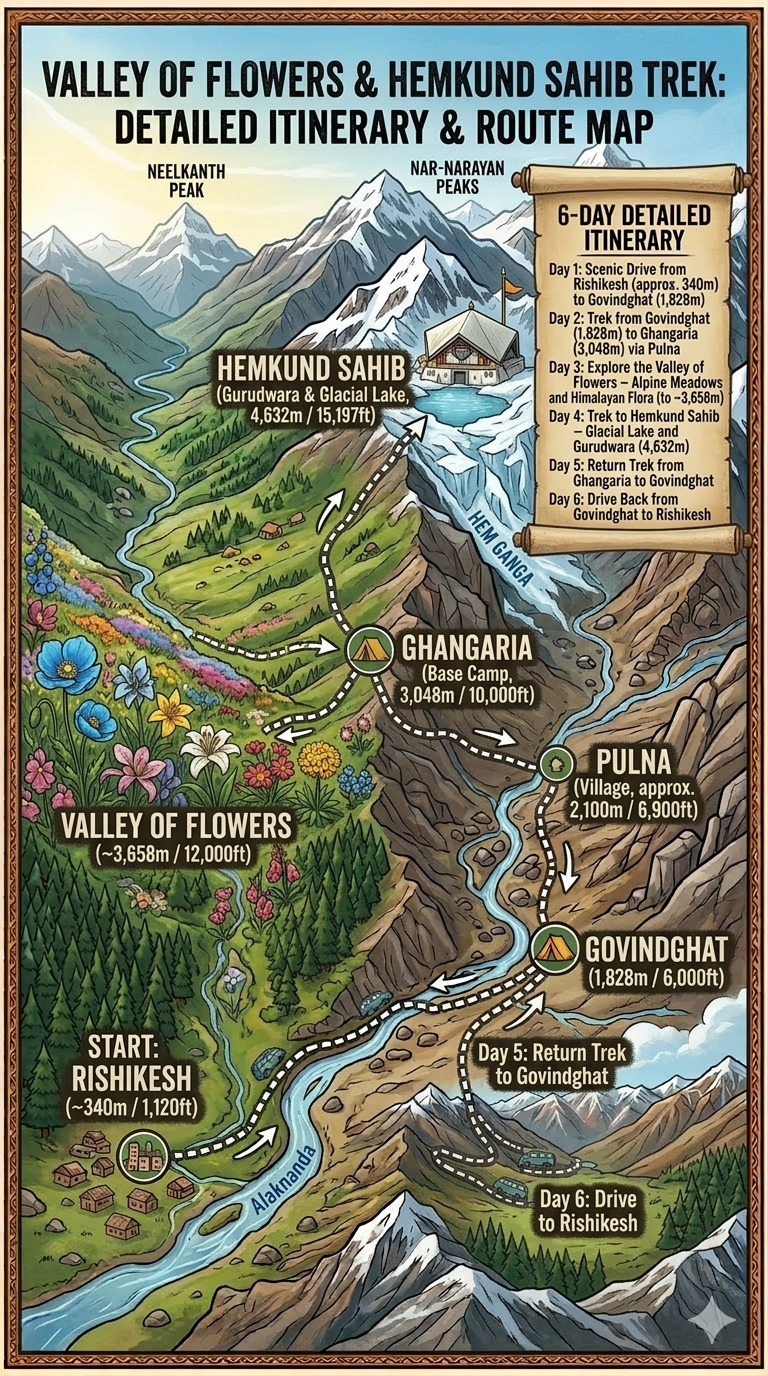
This route map shows the complete journey of the Valley of Flowers Trek. The trek begins with a drive from Rishikesh to Govindghat, then continues on foot through Pulna to Ghangaria, the base for the trek. From Ghangaria, you can explore the Valley of Flowers and take the high-altitude hike to Hemkund Sahib. The return journey follows the same path back to Govindghat and then Rishikesh. Key landmarks like rivers, forests, alpine meadows, and mountain peaks are shown along the route for easy reference.

Add Your Heading Text Here
Add Your Heading Text Here
Add Your Heading Text Here
Fitness & BMI Requirement
Trekking in the Himalayas requires a reasonable level of physical fitness and endurance. Trails can involve long walking hours, gradual climbs, and high altitude conditions. Preparing your body in advance will help you enjoy the trek safely and comfortably.
Before joining the trek, we recommend checking your Body Mass Index (BMI) and maintaining a healthy fitness routine.
What is BMI?
BMI (Body Mass Index) is a simple measure that helps determine whether your body weight is within a healthy range for your height.
Recommended BMI Range
For most Himalayan treks, a BMI between 18.5 and 27 is generally considered suitable, along with good stamina and overall fitness.

 BMI Calculator
BMI Calculator
Why Choose Valley of Flowers Trek?
Beginner-Friendly Himalayan Trek: The trail has a gradual ascent with well-marked paths, making it perfect for first-time trekkers or those looking for a moderately challenging Himalayan experience.
Beautiful Meadows: Walk through wide meadows filled with seasonal flowers like blue poppies, primroses, and cobra lilies, with Himalayan peaks framing the valley.
Spiritual Experience: Visit Hemkund Sahib, a high-altitude glacial lake and gurudwara, adding a serene and spiritual dimension to your trek.
Immersive Nature: The trek passes rivers, waterfalls, forests, and streams, offering complete immersion in the Garhwal Himalayas.
Memorable Adventure: With manageable daily distances, clear trails, and breathtaking scenery, it’s a journey that leaves lasting memories of both nature and personal accomplishment.
Why Choose Herd Horizons?
Experienced Trek Leaders
Our team understands the mountains and prioritizes your safety throughout the trek.
Well-Planned Itineraries
Comfortable campsites, balanced trekking days, and proper acclimatization.
Small Trek Groups
So everyone gets personal attention and a better trekking experience
Quality Equipment & Support
High-quality tents, nutritious meals, and reliable logistics on the trail.
Friendly & Supportive Team
From booking to the last day of the trek, our team is there to help you at every step.
Transparent Pricing
No hidden costs. What you see in the inclusions is exactly what you get.
Responsible Trekking: Leave No Trace
The Himalayas are fragile and beautiful, and every trekker shares the responsibility of protecting them. At Herd Horizons, we follow Leave No Trace principles to ensure that our treks have minimal impact on the environment.
• Carry Back Your Waste: All non-biodegradable waste is packed and brought back to proper disposal points.
• Avoid Single-Use Plastic: Trekkers are encouraged to carry reusable water bottles and minimize plastic use.
• Respect Nature & Wildlife: Do not disturb wildlife, pick plants, or damage natural surroundings.
• Leave Campsites Clean: We ensure that campsites are left exactly as we found them, or cleaner.
• Respect Local Communities: We promote responsible travel by respecting local culture, traditions, and livelihoods.
Talk to our team for trek details
Chat with our Team for batch dates, itinerary, pricing, and quick booking support,
or need help planning your trek, our team is happy to assist you.
Chat with Us