
Sar Pass Trek
Discover the Magic of Parvati Valley
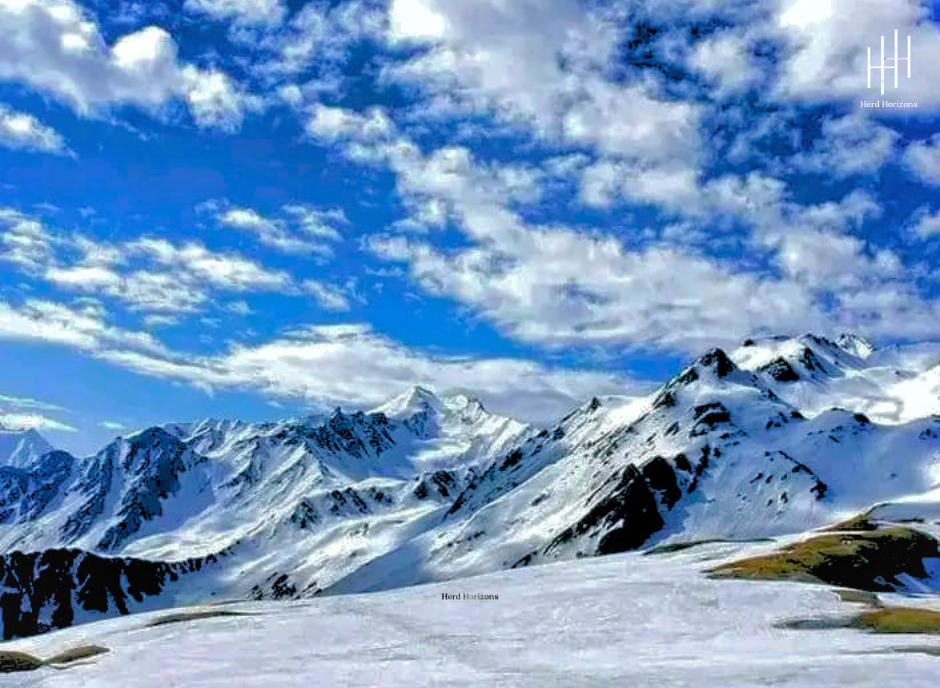
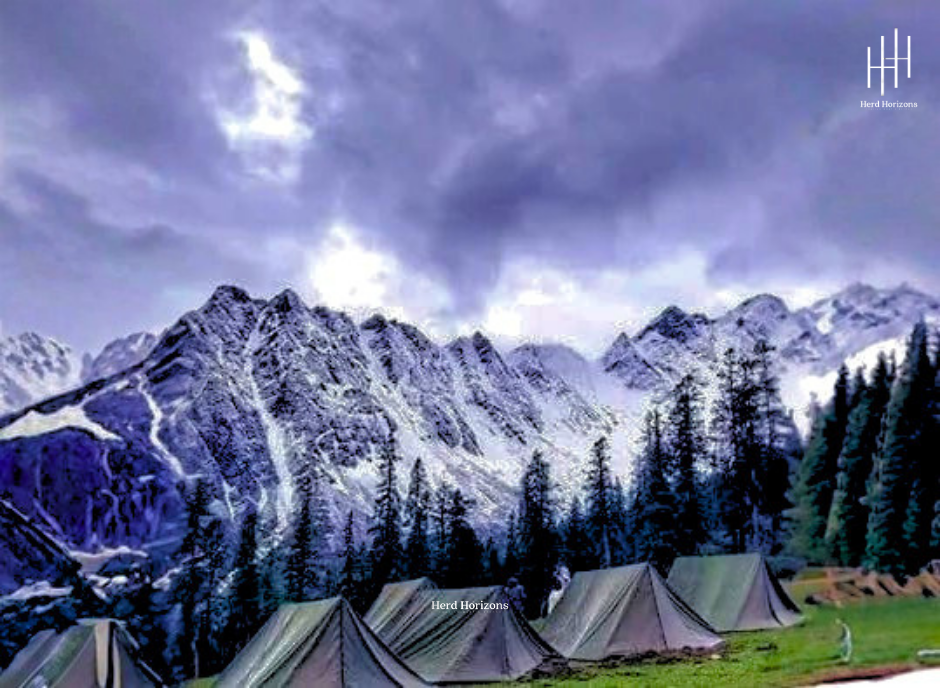
The Sar Pass trek in Himachal Pradesh is a perfect mix of adventure and natural beauty, making it a popular choice for both beginners and experienced trekkers. Starting from the lively village of Kasol in Parvati Valley, the trail takes you through dense pine forests, peaceful Himalayan villages, and wide open meadows. As you move higher, the landscape changes dramatically, with snow patches and stunning mountain views adding to the experience.
The highlight of the trek is crossing Sar Pass at over 13,800 feet, where you are rewarded with breathtaking panoramic views of the surrounding peaks. The descent is equally exciting, often involving fun snow slides depending on the season. Along the way, you also experience the simplicity of mountain life and the calmness of nature. Overall, it is a well balanced trek that combines scenic beauty, cultural charm, and a touch of thrill.
Available Dates
May 2026
5 May 2026 – 12 available Book Now
10 May 2026 – 12 available Book Now
13 May 2026 – 12 available Book Now
16 May 2026 – 12 available Book Now
17 May 2026 – 15 available Book Now
23 May 2026 – 11 available Book Now
24 May 2026 – 12 available Book Now
27 May 2026 – 15 available Book Now
30 May 2026 – 9 available Book Now
June 2026
3 June 2026 – 12 available Book Now
7 June 2026 – 12 available Book Now
10 June 2026 – 12 available Book Now
13 June 2026 – 12 available Book Now
15 June 2026 – 12 available Book Now
17 June 2026 – 15 available Book Now
23 June 2026 – 11 available Book Now
24 June 2026 – 12 available Book Now
27 June 2026 – 15 available Book Now
30 June 2026 – 9 available Book Now
Sar Pass Booking
*Early Bird Offer
Rs. 5,499/-
Per Person
or Have questions about the Trek?
Chat with our Team for batch dates, itinerary, pricing, and quick booking support.
Chat with UsThe Sar Pass Trek is a popular Himalayan trail in Himachal Pradesh, ideal for those looking to experience a mix of forests, villages, meadows, and snow in a single journey. The trek begins from Kasol in Parvati Valley and gradually ascends through dense pine forests to Grahan, a traditional Himalayan village.
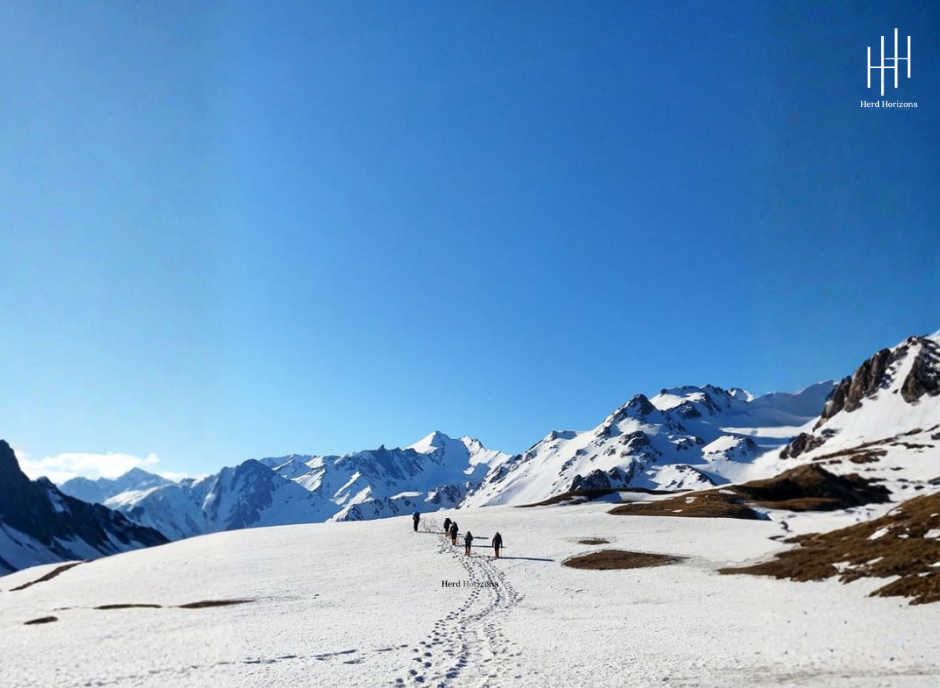
As the trail progresses, the landscape opens into wide alpine meadows and eventually transitions into snow-covered terrain near the higher camps. The route includes a steady altitude gain, making it suitable for beginners with good fitness.
The highlight of the trek is crossing Sar Pass, followed by an exciting snow descent and a scenic walk through Biskeri Thach. With manageable daily distances and diverse terrain, it offers a well-rounded introduction to high-altitude trekking.
Trek Facts
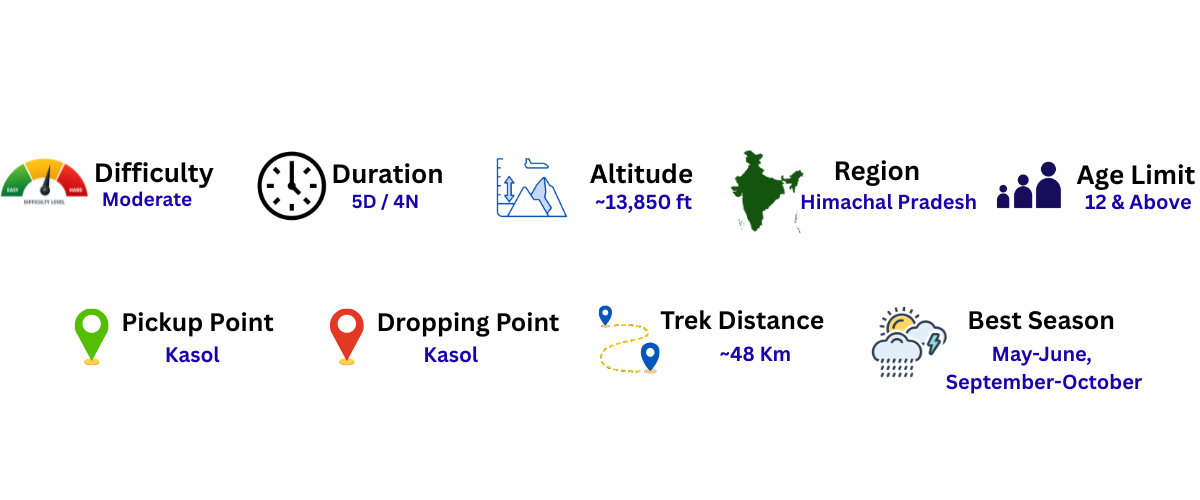
Duration: 5 Days / 4 Nights
Total Trek Distance: ~48 km
Maximum Altitude: ~13,850 ft
Difficulty: Moderate
Region: Parvati Valley, Himachal Pradesh
Base Village: Kasol
Best Season: May – June, September – October
Quick Highlights
• Diverse Landscapes:
The trail covers dense forests, traditional villages, alpine meadows, and snowfields, offering changing scenery each day.
• Sar Pass Crossing:
Reaching the pass at over 13,800 ft is the most rewarding part, with stunning mountain views and a sense of achievement.
• Snow Experience:
Higher sections of the trek often include walking on snow and a fun snow descent, especially in early summer.
• Village Experience:
Grahan village provides a glimpse into the local Himalayan lifestyle and culture.
• Balanced Itinerary:
The trek is well-paced with gradual altitude gain and manageable daily distances, making it suitable for first-time trekkers.
Valley of Flowers Trek - 6 Days Itinerary
The Valley of Flowers takes you from Govindghat to Ghangaria and into the vibrant alpine meadows of the valley. Along the trail, you’ll pass through forests, rivers, and streams, with stunning views of snow-capped peaks. The trek also includes a visit to Hemkund Sahib, a high-altitude glacial lake and gurudwara, offering a mix of natural beauty, spirituality, and memorable mountain experiences.
Day 1: Kasol to Grahan Village
Your journey begins from Kasol, a charming village nestled in the Parvati Valley of Himachal Pradesh. After arriving at the base, meet your trek leader for a short briefing covering the route, safety guidelines, and plan for the day. Once the briefing is complete and packed lunch is distributed, the trek towards Grahan Village begins.
The trail gradually ascends through dense pine and rhododendron forests, offering beautiful views of the Parvati Valley. Along the way, you’ll cross wooden bridges, small streams, and waterfalls that enhance the scenic experience. As you gain altitude, the trail becomes steeper in sections, adding a bit of challenge while keeping the journey engaging.
By late afternoon, you will reach Grahan Village, a traditional Himalayan settlement known for its wooden houses and local culture. Spend the evening relaxing in the peaceful surroundings before enjoying dinner and an overnight stay.
⭐️ Tip: Start with a steady pace and avoid rushing. This first day helps your body adjust to trekking, so stay hydrated and keep your backpack light.
Altitude: 7,700 ft
Distance: ~7-8 km trek
Duration: 5-6 hours
Highlights:
✔ Forest trail through pine and rhododendron
✔ Scenic views of Parvati Valley
✔ Wooden bridges, streams, and waterfalls
✔ Stay in traditional Grahan Village
Day 2: Grahan to Min Thach
After breakfast at Grahan Village, begin your trek towards Min Thach. The trail gradually ascends through dense forests of pine and oak, offering a calm and refreshing trekking experience. The route is surrounded by lush greenery and crisp mountain air, with occasional views of distant peaks adding to the beauty of the journey.
As you move forward, you’ll cross small streams and open clearings that bring a sense of peace to the trail. With increasing altitude, the forest begins to thin out, and the landscape opens into wider views of the surrounding Himalayan ranges.
By afternoon, you will reach Min Thach, a scenic alpine meadow where camps will be set up. Spend the evening relaxing in the quiet surroundings before enjoying a clear, star-filled sky at night. Overnight stay in camps.
⭐️ Tip: Keep a light jacket handy during the trek as temperatures can drop quickly once you reach the campsite.
Altitude: 11,500 ft
Distance: ~7-8 km trek
Duration: 4-5 hours
Highlights:
✔ Forest trail through pine and oak trees
✔ Peaceful streams and open clearings
✔ Expanding views of Himalayan ranges
✔ Camping in alpine meadow at Min Thach
Day 3: Min Thach to Nagaru
After breakfast at Min Thach, begin your ascent towards Nagaru, one of the highest campsites on the trek. As you gain altitude, the scenery gradually shifts from dense forests to more open terrain, often with patches of snow, especially during the early season.
The trail becomes steeper and more demanding, requiring a steady pace and careful footing. Along the way, you’ll be rewarded with stunning views of the surrounding Himalayan peaks and deep valleys, making the climb worthwhile.
By late afternoon, arrive at Nagaru, located at around 12,500 ft. After settling into your campsite, take time to rest and acclimatize while enjoying beautiful sunset views over the mountains. Overnight stay in camps as you prepare for the next day’s pass crossing.
⭐️ Tip: Walk slowly and focus on your breathing to adjust to the altitude. Avoid overexertion and keep yourself well hydrated.
Altitude: 12,500 ft
Distance: ~8–9 km trek
Duration: 4–6 hours
Highlights:
✔ Transition from forests to open terrain
✔ Snow patches along the trail
✔ Panoramic views of Himalayan peaks
✔ High altitude camping at Nagaru
Day 4: Nagaru to Sar Pass to Biskeri Thach
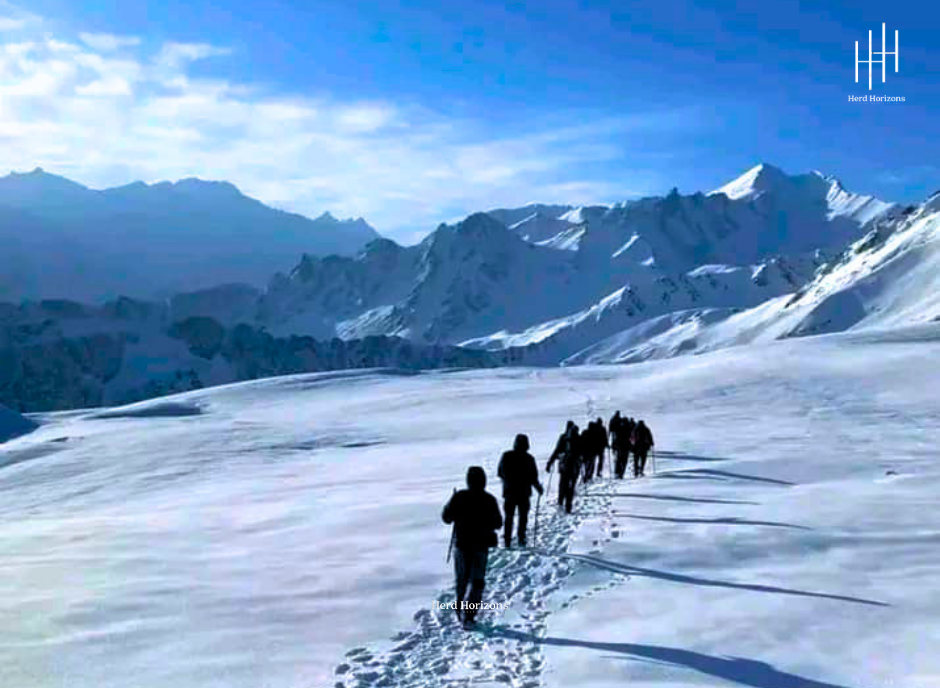
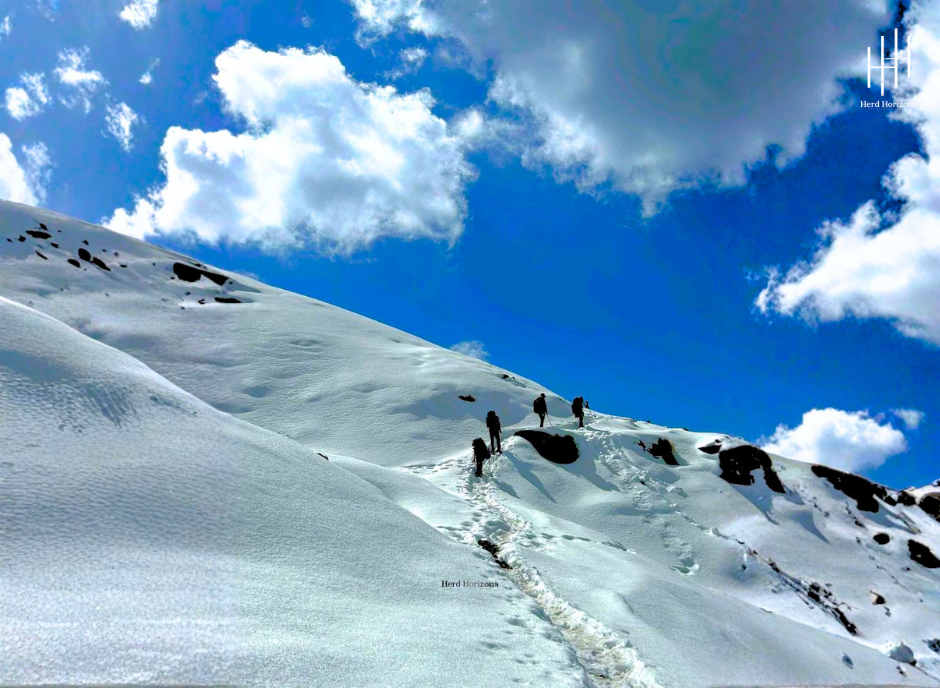
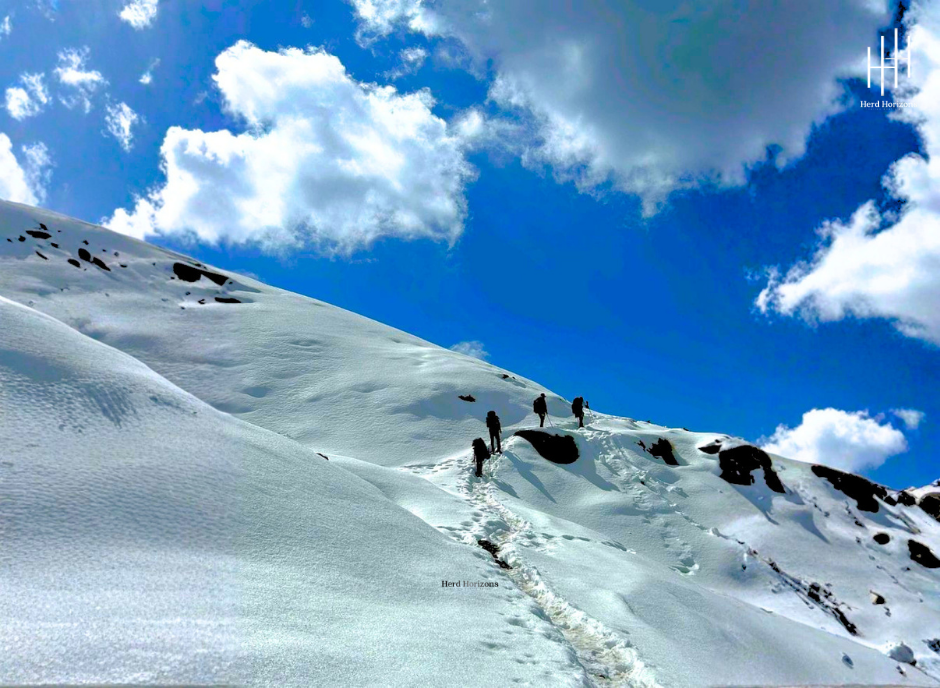
The day begins early as you set out from Nagaru for the most exciting and challenging part of the trek, crossing Sar Pass. The trail starts with a steady climb over snow-covered slopes, requiring careful steps and guidance from your trek leader.
After a gradual ascent, you will reach Sar Pass at around 13,850 ft. From the top, take in breathtaking panoramic views of the surrounding Himalayan ranges and valleys, making the climb truly rewarding.
One of the biggest highlights of the day is the thrilling snow descent from the pass, where you may slide down long stretches of snow depending on the season. The trail then continues down towards the lush meadows of Biskeri Thach.
Arrive at the campsite by evening, relax in the scenic surroundings, and celebrate the successful pass crossing. Overnight stay in camps.
⭐️ Tip: Start early and follow your trek leader closely on snow sections. Wear proper grip shoes and keep sunglasses handy to protect your eyes from snow glare.
Altitude: 13,850 ft (Max)
Distance: ~12–14 km trek
Duration: 7–8 hours
Highlights:
✔ Early morning summit push
✔ Crossing Sar Pass at 13,850 ft
✔ Panoramic Himalayan views
✔ Thrilling snow descent experience
✔ Camping at Biskeri Thach meadow
Day 5: Biskeri Thach to Barshaini to Kasol
After breakfast at Biskeri Thach, begin your descent towards Barshaini, marking the final day of the trek. The trail gradually winds down through scenic alpine meadows, dense forests, and beautiful mountain landscapes, making for a pleasant and rewarding walk.
As you descend, enjoy views of the surrounding Himalayan ranges and the lush greenery of Parvati Valley. Compared to previous days, the trail is easier, allowing you to walk at a relaxed pace while taking in the last moments of the journey.
By afternoon, you will reach Barshaini, where you may have some time to explore the village and interact with locals. From here, drive back to Kasol, bringing your Sar Pass adventure to a memorable close.
⭐️ Tip: Keep your pace steady during descent and use support if needed, as downhill trails can put strain on your knees.
Altitude: 7,900 ft (Barshaini)
Distance: ~12–13 km trek
Duration: 7–9 hours
Highlights:
✔ Scenic descent through meadows and forests
✔ Views of Parvati Valley
✔ Easy and relaxed final trail
✔ Drive back to Kasol
✔ Completion of Sar Pass trek
How to Reach Kasol, the base for Sar Pass Trek?
🛫 By Air:
The nearest airport is Bhuntar Airport (Kullu), located about 31 km from Kasol. From the airport, you can hire a taxi to reach Kasol. Flights are limited but connect to cities like Delhi and Chandigarh.
🚉 By Train:
The nearest major railway station is Joginder Nagar Railway Station, around 145 km away, but it has limited connectivity. A better option is Chandigarh Railway Station (approx. 300 km), which is well connected to major cities. From there, you can take a bus or taxi to Kasol.
🛣️ By Road:
Kasol is well connected by road from Delhi and nearby cities. You can take an overnight bus or drive from Delhi (approx. 500 km, 12-14 hours) to Bhuntar or directly to Kasol. From Bhuntar, Kasol is about a 1-hour drive. Regular buses and private taxis are easily available.
Once you reach Kasol, the trek begins with a short briefing and hike towards Grahan Village, marking the start of the Sar Pass adventure.
⭐️ Tip: It is recommended to reach Kasol a day before the trek to rest and prepare, especially if you are traveling long distances.
Packing the right gear is important for a safe and comfortable trekking experience. The weather in the Himalayas can change quickly, so it’s best to carry essential clothing and equipment suitable for cold temperatures and long walking hours.
👕 Clothing
✔ Warm jacket (down or padded jacket)
✔ Fleece or sweater for layering
✔ 2-3 quick-dry trekking t-shirts
✔ Trekking pants (avoid jeans)
✔ Thermal innerwear (top & bottom)
✔ Waterproof jacket or poncho
✔ Woollen cap and sun cap
✔ Gloves (warm or fleece)
🥾 Footwear
✔ Good quality trekking shoes with grip
✔ 2-3 pairs of trekking socks
✔ Comfortable slippers for campsite
🎒 Personal Essentials
✔ Small backpack (30-40L)
✔ Water bottles (at least 2 litres)
✔ Sunglasses with UV protection
✔ Sunscreen and lip balm
✔ Personal toiletries and towel
✔ Headlamp or torch
🔋 Accessories
✔ Trekking pole (optional but helpful)
✔ Power bank for charging devices
✔ Personal medicines and basic first aid
✔ Snacks or energy bars
⭐️ Important Tip: Pack light but carry all essentials. Proper clothing layers and good trekking shoes can make your trek more comfortable and enjoyable.
1. How fit do I need to be for the Sar Pass Trek?
The trek requires a moderate level of fitness. Participants should be comfortable walking for 5–7 hours a day on mountain terrain. Regular walking, jogging, or cardio training for a few weeks before the trek is recommended.
Before joining the trek, we recommend checking your Body Mass Index (BMI) and maintaining a healthy fitness routine.
You can use the BMI calculator provided below on this page to quickly check if you fall within the recommended range for trekking.
A BMI between 18.5 and 27, along with good stamina, is generally considered suitable for this trek.
2. What kind of accommodation is provided during the trek?
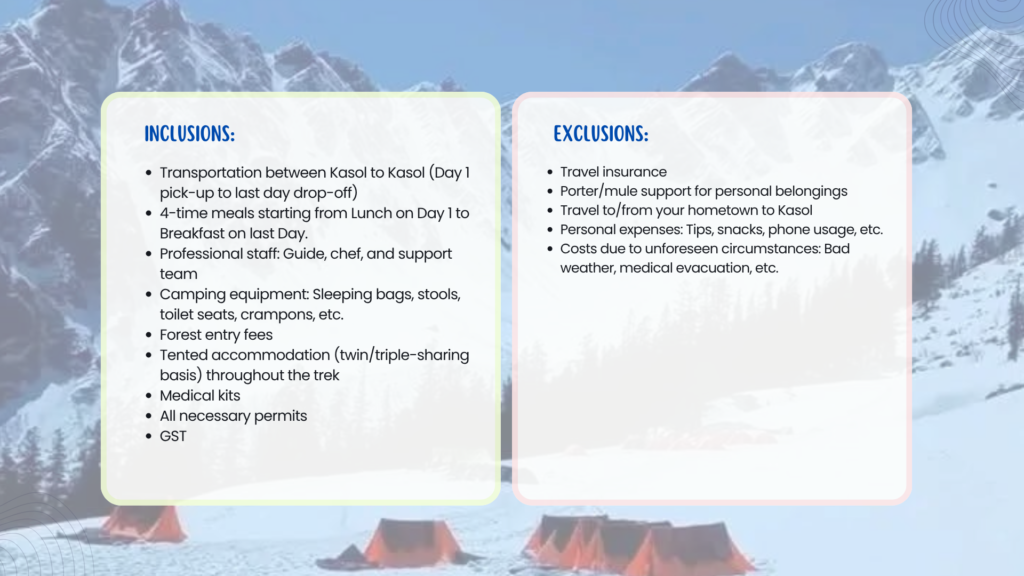
Accommodation during the trek is provided in twin/triple sharing tents at designated campsites. Tents, sleeping bags, and sleeping mats are arranged by the trek team to ensure a comfortable camping experience.
3. Is there mobile network during the trek?
Mobile connectivity is limited during the trek. Most trekking campsites have little or no signal.
4. What happens in case of bad weather or road closures?
Weather in the mountains can change quickly. In case of unsafe conditions, the trek leader may modify the itinerary for safety. Chandratal Lake visits also depend on road and weather conditions.
6. Can beginners do the Sar Pass Trek?
No prior experience is mandatory, but good physical fitness is important. First-time trekkers can complete it with proper preparation.
7. What kind of food is provided during the trek?
Nutritious and freshly prepared meals are provided during the trek, including breakfast, lunch, evening snacks, and dinner. The food is mostly vegetarian and designed to provide the energy required for trekking at high altitude.
8. Will there be toilet facilities during the trek?
During the trek, portable or temporary toilet tents are usually set up at campsites. These are basic but maintained for hygiene and privacy. Trekkers are expected to follow eco-friendly practices while using these facilities.
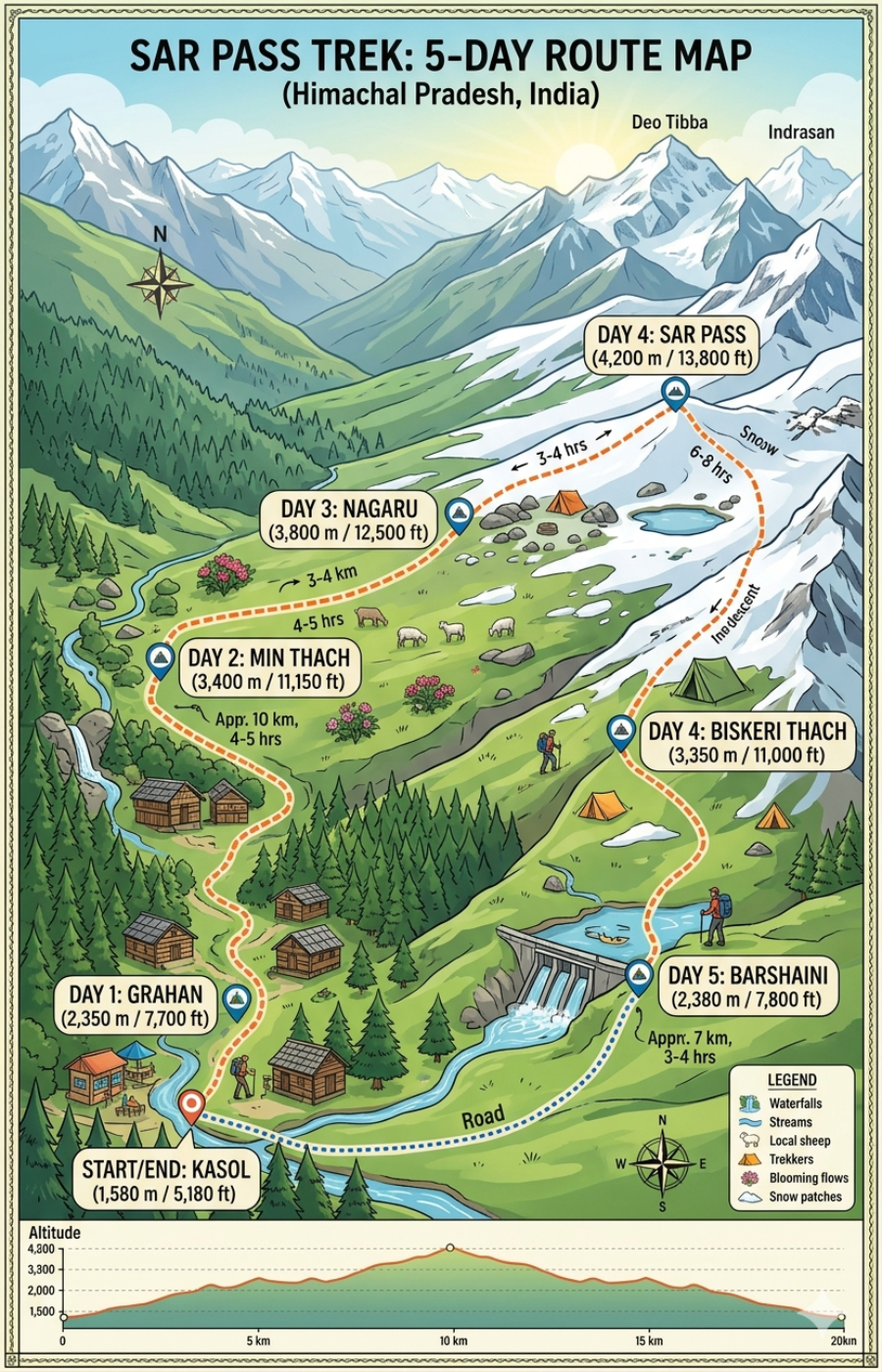
This illustrated map details the 5-day Sar Pass trek in Himachal Pradesh. Starting and ending in Kasol, the orange-dashed route winds through lush valleys and snowfields, reaching a peak altitude of 13,800 ft (4,200 m) at Sar Pass on Day 4. The map includes an altitude profile and visual legend.
Related Articles
Fitness & BMI Requirement
Trekking in the Himalayas requires a reasonable level of physical fitness and endurance. Trails can involve long walking hours, gradual climbs, and high altitude conditions. Preparing your body in advance will help you enjoy the trek safely and comfortably.
Before joining the trek, we recommend checking your Body Mass Index (BMI) and maintaining a healthy fitness routine.
What is BMI?
BMI (Body Mass Index) is a simple measure that helps determine whether your body weight is within a healthy range for your height.
Recommended BMI Range
For most Himalayan treks, a BMI between 18.5 and 27 is generally considered suitable, along with good stamina and overall fitness.

 BMI Calculator
BMI Calculator
BMI Calculator
Quick estimates using your height, weight, age, activity, or daily exercise.
These results are general estimates, not medical advice. Individual needs can vary. Consult a qualified healthcare professional before making health decisions.
Why Choose Sar Pass Trek?
The Sar Pass trek is a well-rounded Himalayan experience that combines adventure, scenic beauty, and cultural charm in a relatively short duration. Starting from the vibrant Parvati Valley, the trail takes you through forests, traditional villages, alpine meadows, and snow-covered terrain, offering constantly changing landscapes. It is especially popular among beginners looking to experience a high-altitude pass without technical difficulty, while still enjoying a sense of challenge and accomplishment.
Key Reasons to Choose:
✔ Diverse Landscapes: Forests, meadows, snowfields, and mountain views in one trek
✔ Beginner Friendly: Ideal first high-altitude trek with gradual ascent
✔ Pass Crossing Experience: Reach 13,850 ft without technical climbing
✔ Thrilling Snow Descent: Unique and fun highlight of the trek
✔ Cultural Touch: Experience local life in villages like Grahan
✔ Balanced Duration: Perfect 5-day trek with manageable distances
✔ Scenic Campsites: Stay in beautiful alpine locations like Min Thach and Biskeri Thach
Memorable Adventure: With manageable daily distances, clear trails, and breathtaking scenery, it’s a journey that leaves lasting memories of both nature and personal accomplishment.
Why Choose Herd Horizons?
Experienced Trek Leaders
Our team understands the mountains and prioritizes your safety throughout the trek.
Well-Planned Itineraries
Comfortable campsites, balanced trekking days, and proper acclimatization.
Small Trek Groups
So everyone gets personal attention and a better trekking experience
Quality Equipment & Support
High-quality tents, nutritious meals, and reliable logistics on the trail.
Friendly & Supportive Team
From booking to the last day of the trek, our team is there to help you at every step.
Transparent Pricing
No hidden costs. What you see in the inclusions is exactly what you get.
Responsible Trekking: Leave No Trace
The Himalayas are fragile and beautiful, and every trekker shares the responsibility of protecting them. At Herd Horizons, we follow Leave No Trace principles to ensure that our treks have minimal impact on the environment.
• Carry Back Your Waste: All non-biodegradable waste is packed and brought back to proper disposal points.
• Avoid Single-Use Plastic: Trekkers are encouraged to carry reusable water bottles and minimize plastic use.
• Respect Nature & Wildlife: Do not disturb wildlife, pick plants, or damage natural surroundings.
• Leave Campsites Clean: We ensure that campsites are left exactly as we found them, or cleaner.
• Respect Local Communities: We promote responsible travel by respecting local culture, traditions, and livelihoods.
Talk to our team for trek details
Chat with our Team for batch dates, itinerary, pricing, and quick booking support,
or need help planning your trek, our team is happy to assist you.
Chat with Us